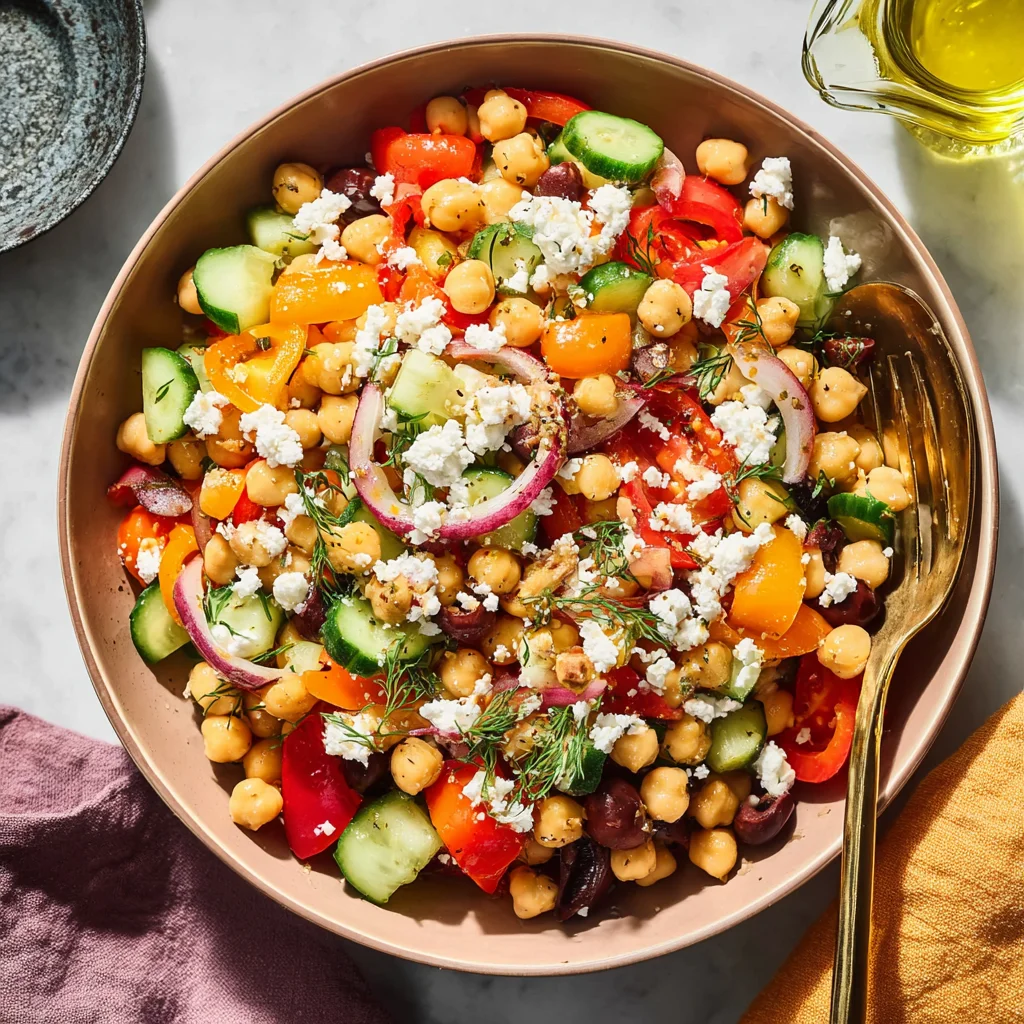
Greek Chickpea Salad: Deconstructing Its Classic & Modern Ingredients
The mere mention of "Greek salad" often conjures images of vibrant red tomatoes, crisp cucumbers, pungent red onion, briny Kalamata olives, and creamy feta, all drizzled with golden olive oil. It's a culinary icon, a testament to the freshness and simplicity of Mediterranean cuisine. But what happens when you introduce a humble yet powerful legume like the chickpea into this beloved classic? You get the **Greek chickpea salad**, a dish that masterfully bridges tradition with modern dietary needs and tastes, transforming a refreshing side into a satisfying, standalone meal. This article will delve into the foundational elements of the classic Greek salad, explore how chickpeas elevate it, and uncover the exciting array of modern twists that make this dish endlessly adaptable.
The journey from a traditional Greek salad to a chickpea-enhanced version is fascinating, often born out of a desire for increased substance or a vegetarian option without sacrificing flavor. Many home cooks, much like the experience shared in our reference, might initially add chickpeas as an afterthought, only to realize they've inadvertently created a wonderfully balanced "Greek chickpea salad" all along. It’s an effortless blend, bringing protein and fiber to the forefront while retaining the bright, tangy, and savory notes that define its heritage. This deconstruction will guide you through crafting a salad that’s both authentic in spirit and innovative in practice, a true celebration of fresh ingredients.
The Soul of Greek Salad: Classic Components Reimagined
At its heart, the **Greek chickpea salad** owes its vibrant character to a core set of ingredients derived from the traditional Horiatiki salad. These elements provide the quintessential flavors and textures that make Greek cuisine so beloved. While we're adding chickpeas, understanding these staples is crucial for achieving that authentic taste.
The Quintessential Vegetables
- Cucumber: A non-negotiable for its refreshing crunch and cool, watery texture. Opt for English or Persian cucumbers for fewer seeds and thinner skins, eliminating the need for peeling. Dice them into substantial, bite-sized pieces that stand up to the other ingredients.
- Tomatoes: The sweet, juicy backbone of any Greek salad. Cherry or grape tomatoes are fantastic for their burst of flavor and convenience (halving them is often enough), but ripe Roma or beefsteak tomatoes, chopped into generous chunks, also work wonderfully. The key is ripeness – a good tomato can make or break the salad.
- Red Onion: Offering a pungent kick and a beautiful pop of color, red onion is essential. For those who find its raw sharpness too intense, a quick soak in cold water for 10-15 minutes can mellow its flavor without sacrificing its characteristic crunch. Thinly sliced or finely diced, it adds an indispensable zing.
- Olives: Specifically, Kalamata olives. Their distinctive briny, fruity flavor and meaty texture are irreplaceable. Pitted Kalamatas make preparation easy, but if you're a purist, de-pitting them yourself ensures maximum flavor retention. Their dark hue also provides a stunning contrast against the other ingredients.
The Creamy, Salty Star: Feta Cheese
No Greek salad is complete without feta. This tangy, salty cheese, traditionally made from sheep's or a combination of sheep's and goat's milk, adds a creamy, crumbly texture and a distinctive briny punch.
- Quality Matters: Seek out authentic Greek feta, often found in brine, rather than pre-crumbled varieties, which can be drier and less flavorful.
- Serving Style: Some prefer it crumbled generously throughout the salad, allowing its saltiness to permeate every bite. Others prefer a large slab of feta placed atop the salad, allowing diners to break off pieces as they eat. Both approaches yield delicious results for your **Greek chickpea salad**.
The Game-Changer: Embracing Chickpeas
While the traditional Greek salad is undoubtedly delicious, the inclusion of chickpeas (also known as garbanzo beans) is what truly elevates it into a fulfilling, protein-packed meal. This simple addition transforms the entire dynamic of the dish, adding an earthy, nutty flavor and a satisfying chewiness that complements the crisp vegetables and briny cheese.
The "aha!" moment of realizing a salad has become a "chickpea Greek salad" often comes from the sheer ease and impact of this ingredient. Chickpeas are a nutritional powerhouse, rich in plant-based protein, dietary fiber, and essential minerals. For vegetarians and vegans, they offer a substantial and delicious alternative to meat, ensuring the salad is not just refreshing but also truly satiating.
When preparing your **Greek chickpea salad**, canned chickpeas are a convenient choice. Simply drain and rinse them thoroughly to remove excess sodium and improve their texture. If you prefer, cooking dried chickpeas from scratch offers a slightly superior texture and flavor, though it requires more planning. Whether canned or home-cooked, chickpeas are a testament to how a single ingredient can redefine a classic. To explore more about this delightful fusion, check out our article on
Discovering Greek Chickpea Salad: A Fresh Twist on Tradition.
Crafting the Perfect Greek Chickpea Salad Dressing
The dressing is the binding element that marries all the diverse flavors and textures of the **Greek chickpea salad**. Its simplicity belies its importance, relying on high-quality ingredients to shine.
The classic Greek dressing is a triumvirate of:
- Extra Virgin Olive Oil: This is non-negotiable. Invest in a good quality, fruity extra virgin olive oil. It provides richness, body, and a distinctive peppery note that is central to Mediterranean flavors.
- Lemon Juice: Freshly squeezed lemon juice offers a bright, zesty acidity that cuts through the richness of the oil and feta, enlivening all the vegetables.
- Red Wine Vinegar: Providing a deeper, more robust acidity than lemon juice, red wine vinegar adds complexity and a tangy punch that is characteristic of Greek dressings.
Building Your Dressing: Tips for Success
- Balance is Key: The ratio is typically around 3 parts olive oil to 1 part total acid (lemon juice + red wine vinegar), but adjust to your taste. Some prefer more tang, others more richness.
- Season Generously: Don't forget salt and freshly ground black pepper. A pinch of dried oregano, preferably Greek oregano, is also highly recommended for an authentic aromatic touch.
- Optional Enhancements:
- Garlic: A finely minced clove of fresh garlic can add a subtle warmth and depth.
- Dijon Mustard: A tiny spoon of Dijon can act as an emulsifier, helping the oil and vinegar stay together and lending a slight piquant note.
- A Touch of Sweetness: A tiny drizzle of honey or a pinch of sugar can balance the acidity if your tomatoes aren't very sweet.
- Emulsify: Whisk the ingredients vigorously in a bowl or shake them well in a jar until fully combined. Allow the dressing to sit for at least 10-15 minutes for the flavors to meld before tossing with the salad ingredients.
Modern Twists and Personal Touches
The beauty of the **Greek chickpea salad** lies not only in its classic foundation but also in its incredible adaptability. Once you've mastered the core components, you can let your creativity soar, incorporating additional ingredients to suit your taste, dietary needs, or what's fresh and available. These modern additions can turn an already great salad into a personalized masterpiece.
Beyond the Basics: Elevating Your Salad
- Fresh Herbs: The reference mentions basil, and it's a fantastic addition. But don't stop there! Fresh dill offers a delicate, anise-like flavor that pairs beautifully with feta and cucumber. Parsley brings a fresh, herbaceous note, while a touch of mint can add an unexpected brightness, especially on a warm day.
- Additional Vegetables:
- Bell Peppers: Sliced green bell peppers are common in some Greek salads, adding a mild bitterness and crunch. Red or yellow bell peppers offer a sweeter counterpoint.
- Artichoke Hearts: Marinated artichoke hearts, quartered, introduce a delightful tang and tender texture.
- Roasted Red Peppers: For a sweeter, smoky depth, consider adding strips of roasted red peppers.
- More Protein Boosts: While chickpeas provide ample protein, you can further enhance your salad's substance. Grilled chicken (as suggested by the reference context of it being a side dish to chicken), seared shrimp, or even marinated tofu cubes can transform the salad into an even heartier main course.
- Grains and Legumes: For an even more filling meal, consider incorporating cooked quinoa, couscous, or even small pasta shapes like orzo. Cooked lentils can also be mixed in alongside the chickpeas for a textural contrast and additional fiber.
- Crunch Factor: Toasted pita chips, croutons, or a sprinkle of sunflower or pumpkin seeds can add a satisfying crunch and nutty flavor.
These additions not only enhance the flavor profile but also cater to diverse palates and dietary preferences, making your **Greek chickpea salad** a versatile dish for any occasion. For an even quicker and simpler approach to making this delightful dish, explore our
Effortless Greek Chickpea Salad: Quick Recipe for a Fresh Meal.
Practical Tips for a Stellar Greek Chickpea Salad
Achieving a truly outstanding **Greek chickpea salad** goes beyond just combining ingredients; it involves thoughtful preparation and attention to detail.
- Ingredient Quality is Paramount: Since this salad relies on fresh produce, choose the ripest tomatoes, crispest cucumbers, and highest quality olive oil and feta you can find. The better your ingredients, the better your salad will taste.
- Chop Evenly: Aim for uniformly sized pieces for your vegetables. This not only makes the salad more aesthetically pleasing but also ensures an even distribution of flavors and textures in every bite.
- Don't Dress Too Early: While the dressing benefits from a short resting period, wait to toss the salad with the dressing until just before serving. This prevents the vegetables from becoming soggy, especially the cucumbers and tomatoes. If meal prepping, store the dressing separately.
- Marinate the Chickpeas (Optional): For an extra layer of flavor, you can marinate the drained chickpeas in a small amount of the dressing for 30 minutes to an hour before assembling the salad. This allows them to absorb more of the tangy, herbaceous notes.
- Temperature Matters: Serve the salad chilled or at room temperature. The freshness of the ingredients is best appreciated when not too cold.
- Serving Suggestions: Enjoy your **Greek chickpea salad** as a light lunch, a vibrant side dish for grilled meats or fish, or as a component in a larger Mediterranean-inspired mezze spread. It’s also an excellent option for meal prep, holding up well in the refrigerator for a few days (again, if dressing is kept separate).
Conclusion
The **Greek chickpea salad** is more than just a recipe; it's a celebration of fresh, wholesome ingredients and the delightful evolution of a culinary classic. By embracing the traditional elements of cucumber, tomato, red onion, Kalamata olives, and feta, then enhancing them with the humble yet mighty chickpea, we create a dish that is at once familiar and excitingly new. Whether you stick to the pure, classic interpretation or venture into modern twists with fresh herbs and additional vegetables, this salad offers a symphony of textures and flavors – crisp, juicy, briny, creamy, and tangy. It stands as a testament to the fact that healthy eating can be incredibly flavorful and satisfying. So gather your ingredients, chop with joy, and savor every vibrant bite of your homemade Greek chickpea salad – a truly nourishing and delicious experience.